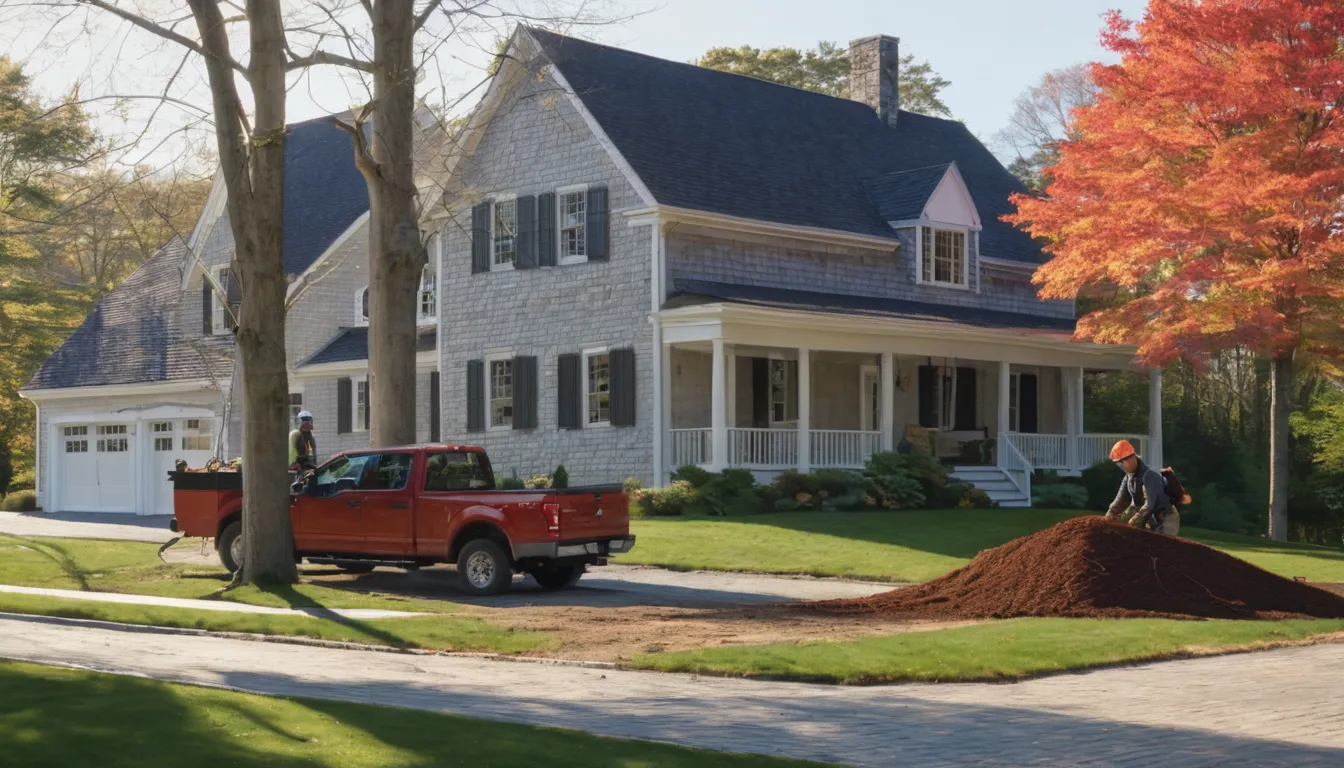
A tree can be a problem for many reasons. It may be dead, leaning, too close to the house, or hurt by a storm. Favouriterest Tree Service is a referral service. We connect homeowners in the Yonkers area with independent local tree providers. We do not cut or haul anything ourselves. The provider you choose does the work.
This page walks you through the job in plain words. You will see what to do first, how removal works, what changes the price, and how to compare estimates. Take your time. There is no pressure and no obligation. If the tree is a danger right now, step back and keep people clear. Then Request a callback to check provider availability, or use the request form when you are ready.
Is a Tree Down or Leaning Right Now?
Stay calm. Move people and pets away from the tree. Stay clear of any wires too. A wire on the ground may be live. Treat it as live until the utility says it is safe.
If a tree hit your home, go to a safe room. Do not walk under hanging limbs. Safe first, then compare.
Your Calm First Hour
Use this short list. Do one thing at a time.
- Get everyone inside and away from the tree.
- Look up for broken limbs that could drop.
- Call 911 if someone is hurt or in danger.
- Call the utility if the tree touches a wire.
- Take photos from a safe spot.
- Write down what you see and when it happened.
Then breathe. You have done the hard part.
When It Is Not an Emergency
Most tree jobs are not urgent. A dead tree that stands in the yard can wait a few days. That gives you time to compare estimates. Do not let anyone rush you at your door. A fair provider will give you time to think.
Why Homeowners Remove Trees
People remove trees for many reasons. Here are the common ones:
- The tree is dead or dying.
- It leans toward the house, a car, or a play area.
- Roots push on a foundation, a walkway, or a drain line.
- Storm damage split the trunk or tore off big limbs.
- The tree blocks light, a new build, or a view.
Older homes often have big trees planted close to the walls. Stone and block foundations can crack when roots grow against them. A provider can look at that risk and tell you what they see.
How a Removal Job Works
A provider visits and looks at the tree. They check its size, health, and what stands near it. They give you a written quote.
On the job day, a climber or a lift may go up. The crew cuts the tree in sections. Each piece is lowered with ropes so it does not hit your roof. In an open yard, a crew may fell the tree whole. Felling means cutting it so it falls in one direction.
Then the crew cuts the wood into logs, chips the branches, and hauls away the debris. Ask in advance what is included.
What Changes the Price
Size is the biggest factor. Taller trees cost more. So do trees near the house, a fence, or power lines. A tight yard with no truck access adds time. Dead wood can be brittle, and that makes the job slower and riskier.
Costs vary a lot by job. Check the table on this page for typical U.S. ranges. Always ask for a written quote.
Rules and Permits
Some towns protect certain trees. Others ask for a permit before you cut, even on your own land. Rules often cover large trees, street trees, and trees near wetlands or the shore. Multi-family buildings may also need approval from an owner or association.
Check with your town office. A provider in our network may know the local steps and can often tell you what paperwork to expect.
Winter, Snowmelt and Coastal Storms
Cold snowy winters stress trees. Ice adds weight to limbs. Freeze and thaw cycles can crack trunks and loosen roots. Spring snowmelt softens the ground, and that can make a tree lean. Coastal storms bring strong wind that snaps weak trunks.
After a hard season, walk your yard. Look for cracks, new leans, and mushrooms at the base. Those can be signs of rot.
How to Compare Estimates
Get more than one written quote if you can. Line them up side by side. Do not look only at the total.
Check what each quote covers. Does it include cleanup, wood haul-away, and the cost of any permit? Do the quotes describe the same work? A low number may leave out key steps.
Questions to Ask a Provider
- Are you insured for this work? Can I see proof?
- Will you give me a written quote?
- How will you protect my roof, lawn, and fence?
- Is cleanup part of the price?
- What is your plan if the weather turns?
Simple answers are a good sign. Vague answers are a reason to keep looking.
Getting Ready for Removal Day
Move cars out of the driveway. Clear toys, grills, and planters from the work zone. Tell your neighbors about the date. Keep pets inside. Mark any buried lines, like a sprinkler or a drain, so the provider knows where they run.
Stay out of the work zone while the crew cuts.
After the Tree Comes Down
Walk the yard with the provider. Check that the wood and chips are handled as agreed. Look at your lawn and fence. If you plan to remove the stump too, ask about that now, since some jobs treat it as a separate task.
Think about what to plant next. A smaller tree set farther from the house can be a smart pick.
Your Insurance Policy
Some policies may cover sudden damage from a fallen tree. Check your policy to be sure. Providers can often help document damage for a claim. Take your own photos too.
Take the Next Step
You do not need to decide today. Read, compare, and ask questions. No pressure, no obligation.
What's Included
Written Quotes
Providers in our network can look at your tree and give you a clear written quote to review.
Safe Cutting
Trees are taken down in sections or felled whole, depending on what stands near the trunk.
Cleanup
Many jobs include chipping branches, cutting logs, and hauling debris. Confirm this in your quote.
Damage Photos
Providers can often help document tree damage, which may be useful when you file a claim.
Typical Tree Removal Costs
These are typical U.S. ranges. Your price depends on tree size, access, and condition. Local rates differ. Use these numbers as a rough guide, and always ask each provider for a written quote.
| Item | Typical range | Notes |
|---|---|---|
| Small tree (under 30 ft) | $150 – $500 | Easy access keeps the price lower |
| Medium tree (30 – 60 ft) | $400 – $1,200 | Price rises near the house or fences |
| Large tree (over 60 ft) | $1,000 – $3,000 | May need a lift or extra crew |
| Tree near wires or a roof | $1,000 – $3,500 | Extra care and gear add time |
| Storm-damaged or dead tree | $800 – $4,000 | Hazard and brittle wood raise the cost |
| Debris haul-away | $75 – $300 | Some quotes already include it |
How It Works
Check Your Safety
Keep people and pets away from the tree and any wires. Call 911 if anyone is hurt.
Take Photos and Notes
Photograph the tree and any damage from a safe spot. Write down the date and details.
Request an Estimate
Tell us about the tree. A local provider reaches out to set up a visit.
Compare and Decide
Read each written quote. Ask questions, then choose the provider that fits your needs.
Why Call Favouriterest Tree Service
Safe First
Our calm steps help you protect your family before you think about any cost or schedule.
Plain Answers
We explain trade terms in short words so you know what each quote says.
Local Providers
You are matched with independent tree providers who serve homes in your area.
No Pressure
Compare estimates at your pace. There is no obligation to hire anyone.
Other Services
Need tree removal in Yonkers?
Tell us about your tree and where it stands. Request a callback to check provider availability, or send a request and compare your options.
No obligationTree Removal FAQ
How much does it cost to remove a tree?
Typical U.S. prices run from about $150 for a small tree to $3,000 or more for a large one. Access, height, and tree condition change the price. Get a written quote before you agree to any work.
Do I need a permit to remove a tree on my property?
Maybe. Some towns protect large or street trees and ask for a permit first. Check with your local town office before cutting. A provider may also know the rules in your area.
Will homeowners insurance pay for tree removal?
Some policies may cover sudden damage, such as a tree that falls on your home. Cover for a healthy tree you simply want gone is less common. Check your policy and ask your insurer before work begins.
We service you here
Get in touch
Tell us about your tree and where it stands. Request a callback to check provider availability, or send a request and compare your options.
No obligation